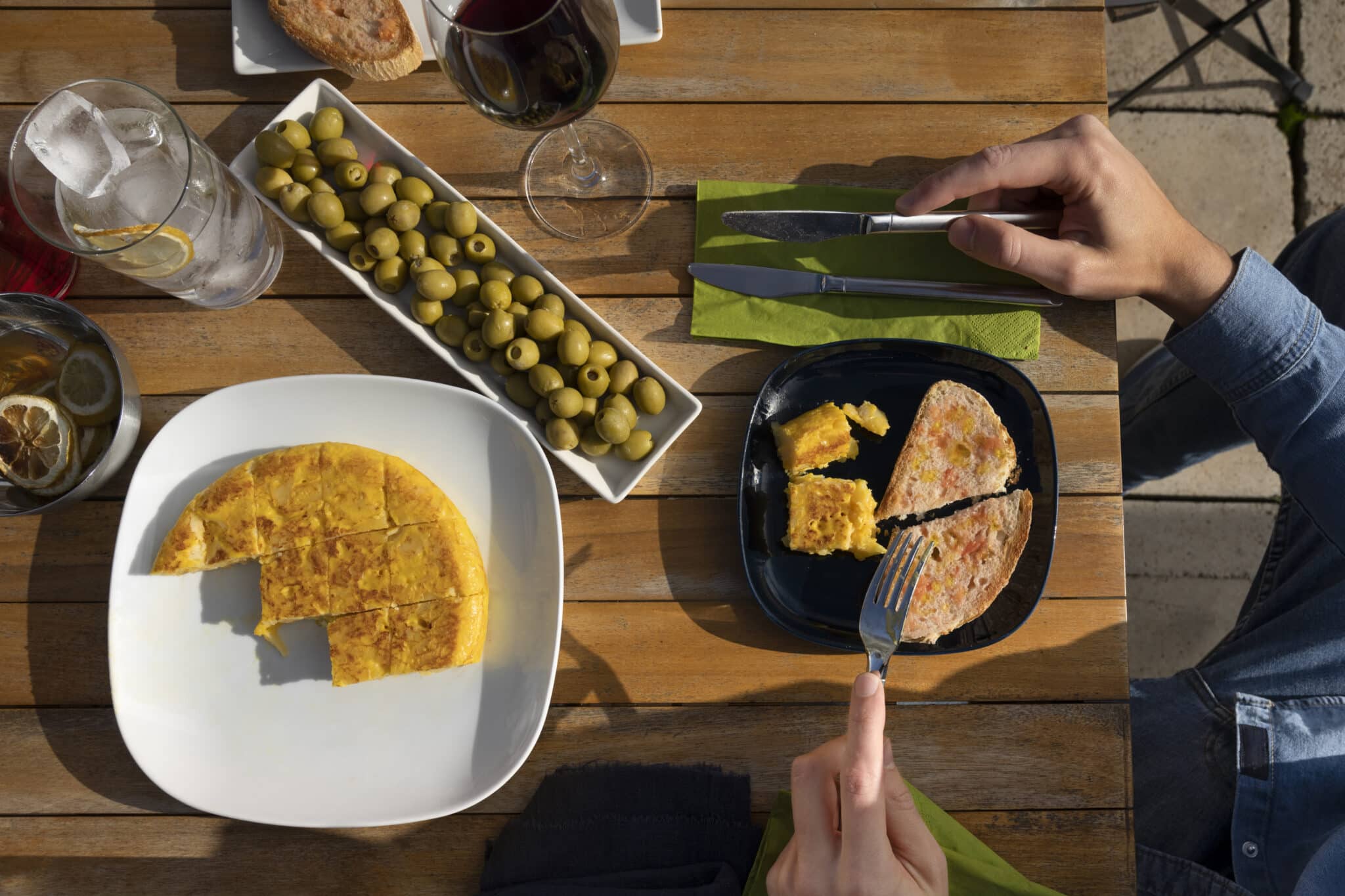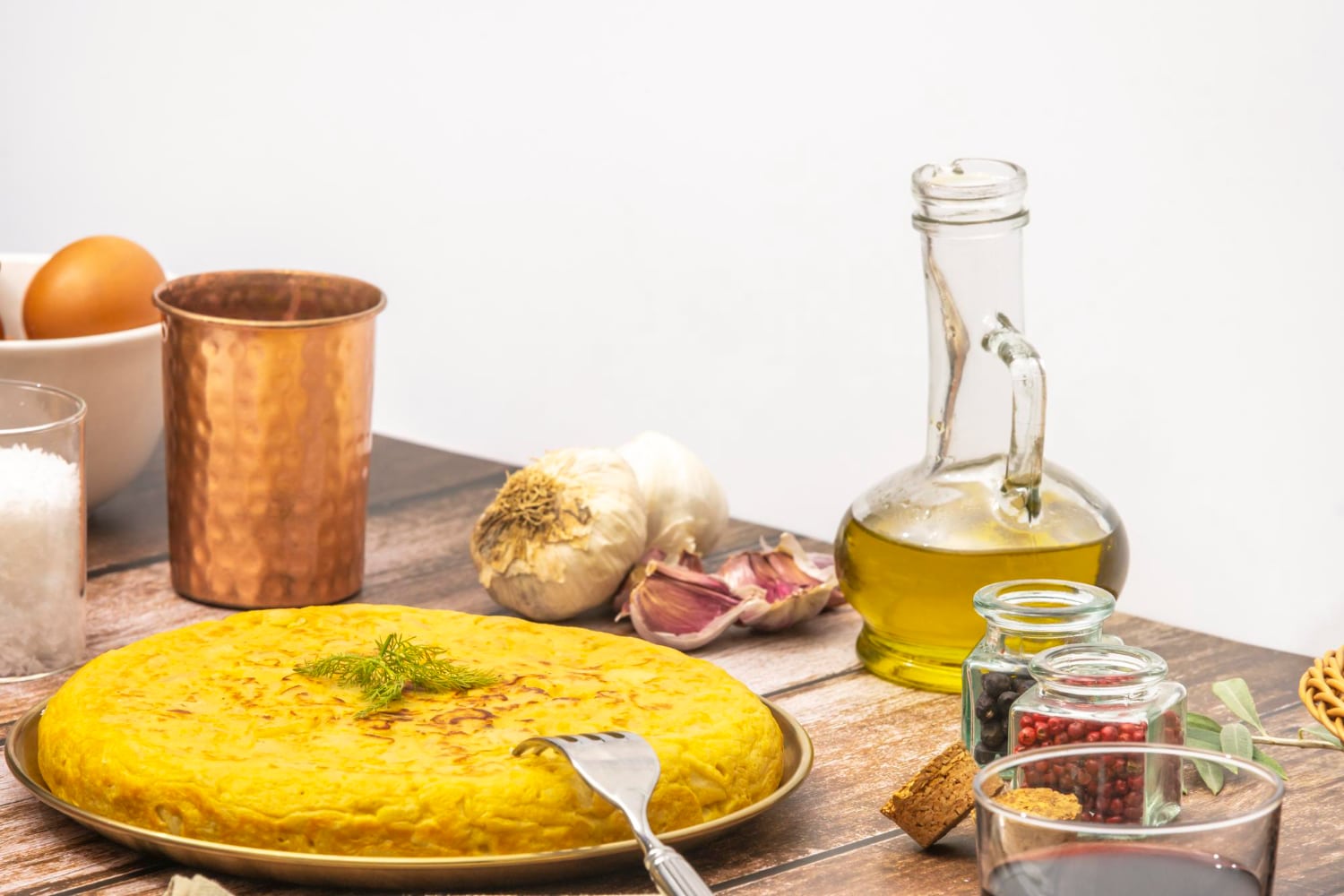
The Spanish omelet, known locally as tortilla española or tortilla de patatas, is one of Spain’s most beloved and emblematic dishes. Simple yet deeply satisfying, it represents the heart of what makes Spanish home cooking so wonderful: everyday ingredients transformed into extraordinary dishes. Whether served as a tapa, a light lunch, or a family dinner, the Spanish omelet is a culinary treasure that has stood the test of time. For home chefs and culinary enthusiasts, it makes a great addition to your repertoire. That’s why Italica Olive Oil is here to help you master the art of making the Spanish omelet, not to mention showcase some enticing variations to keep things interesting.
The Origins and Cultural Significance of the Spanish Omelet
The Spanish omelet dates back to the early 19th century, when potatoes had already become a staple ingredient across Spain following their introduction from the Americas. Historical references from 1817 describe peasants preparing thick egg dishes stretched with potatoes to feed large families on a budget. While historians debate the exact origin, most agree that the tortilla emerged during a time of scarcity, when cooks relied on accessible ingredients like eggs, potatoes, olive oil, and onions.
Over time, what began as a practical food evolved into a national symbol. Today, the Spanish omelet is served everywhere, from neighborhood cafés and tapas bars to family picnics and festivals. In fact, many regions even celebrate Día de la Tortilla, a tradition where communities gather outdoors to share tortillas together, highlighting its role as a dish rooted in connection and culture.
Perhaps its enduring popularity lies in its versatility. After all, it can be eaten warm or at room temperature, as a main course or snack, and adapted endlessly to personal taste.
Ingredients You’ll Need
For a traditional Spanish omelet (serves 4–6):
-
- 5–6 large eggs
- 3–4 medium potatoes
- 1 small onion (optional but widely loved)
- Salt
Authentic recipes rely on very few ingredients, making quality especially important, particularly the olive oil, which defines much of the flavor.
Step-by-Step Instructions
1. Prepare the Potatoes
Peel the potatoes and slice them thinly (about ⅛” thick). Thin slices cook evenly and create the signature tender texture.
2. Cook the Potatoes Slowly
Heat a generous amount of olive oil in a frying pan over medium-low heat. Add the potatoes and cook gently, not fry aggressively. The goal is to soften the potatoes until tender without browning.
3. Add the Onion
If using onion, slice it thinly and add it halfway through cooking the potatoes. Cook until both ingredients are soft and slightly sweet.
4. Beat the Eggs
In a large bowl, whisk the eggs with a pinch of salt until fully combined. Let the mixture sit for a few minutes.
5. Combine Ingredients
Drain the potatoes and onions (reserve the oil for reuse). Fold them gently into the beaten eggs and let the mixture rest for a few minutes so flavors combine.
6. Cook the Omelet
Add a small amount of oil back into the pan and pour in the egg mixture. Cook over low heat, gently shaking the pan occasionally to prevent sticking.
7. Flip it
Once the bottom is set but the top remains slightly soft, place a large plate over the pan and carefully flip the tortilla onto it. Slide it back into the pan to cook the other side.
8. Finish Cooking
Cook for another 3–5 minutes depending on your preferred texture. The rule of thumb is:
- For a slightly creamy center, take it off after 3 minutes
- For a firmer center, leave to cook for 5 minutes.
Let the omelet rest for several minutes before slicing.
Popular Variations to Try
While purists argue that the classic version needs nothing more than eggs and potatoes, there are many regional and modern variations that are certainly worth trying out:
- With or without onion: Spain’s longest running culinary controversy! Both versions lay claim to being the authentic variety, depending on who you talk to.
- Chorizo tortilla: Adds smoky richness, with a sweet and savory kick.
- Vegetable tortilla: Bell peppers, spinach, or zucchini can be added for extra freshness.
- Herb-infused: Parsley or thyme for a lighter flavor.
- Runny-center style (Betanzos style): A softer interior popular in northern Spain.
Making Olive Oil a Pantry Staple
Olive oil is a versatile ingredient that not only elevates the flavor profile of your favorite dishes, but also brings nutritional benefits to the table. It can be used as a substitute for butter in everything from cakes to cookies, not to mention as a garnish on grilled or roast meats. For everyday frying and cooking, we recommend using a mild variety such as our Classic Olive Oil. For salads and salad dressings, it’s best to opt for something like Organic Extra Virgin Olive Oil. Keeping your pantry well-stocked with these varieties means you’ll never be stuck for ideas when it comes time to cook.
For more olive oil cooking advice and tasty new recipes, visit our blog.