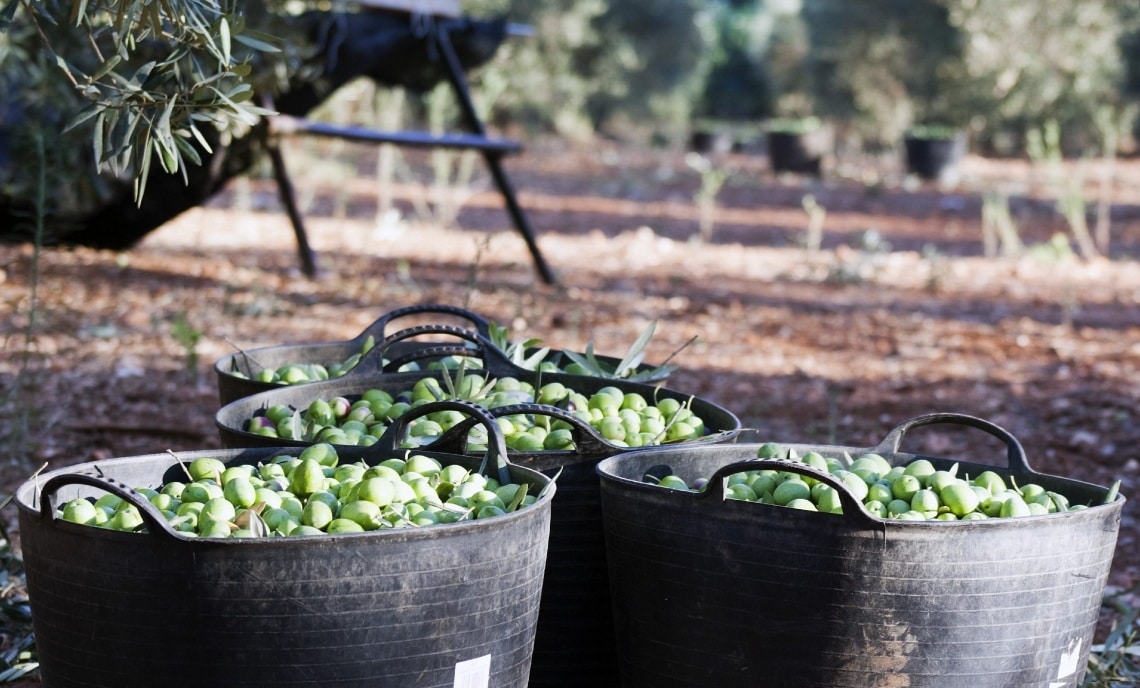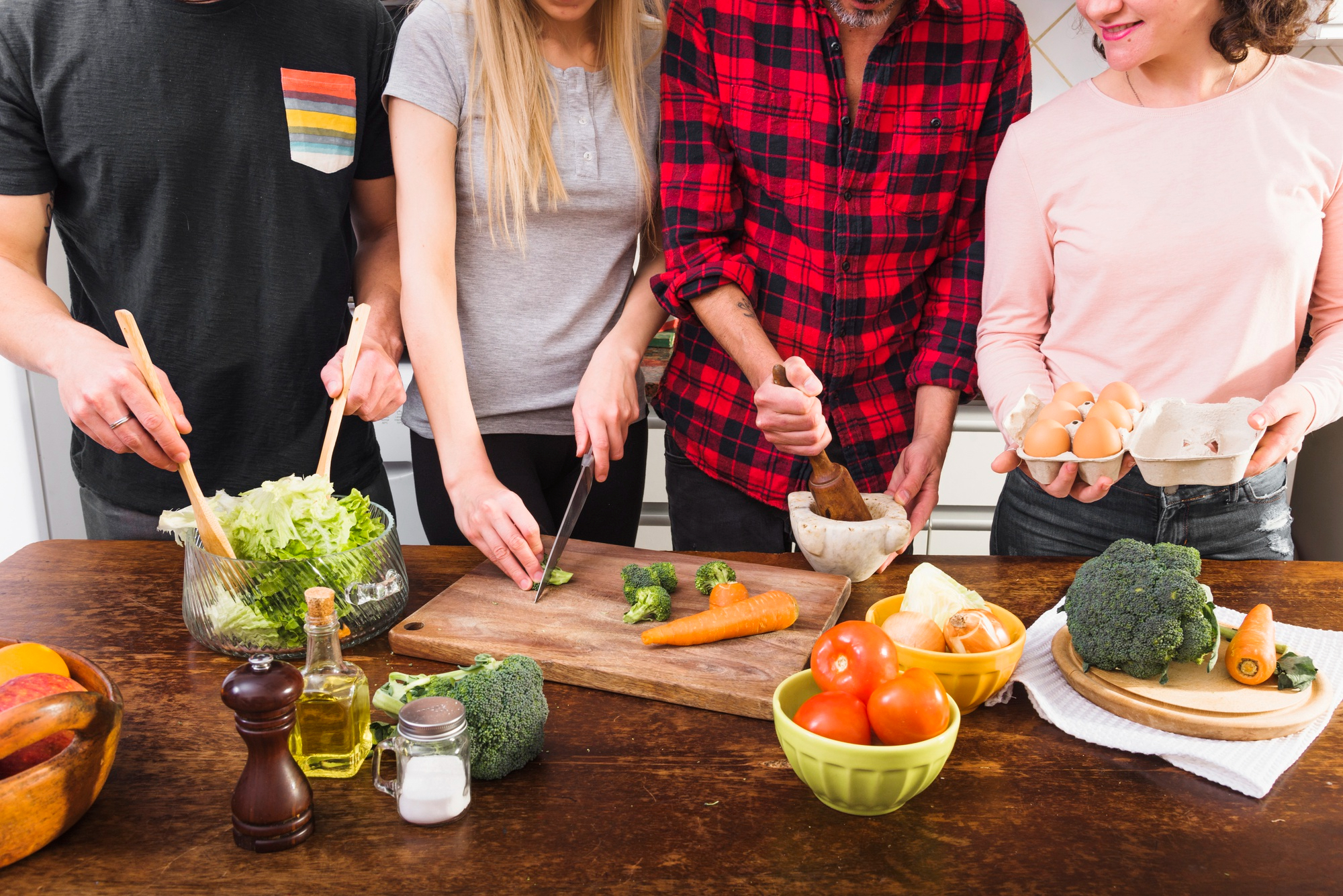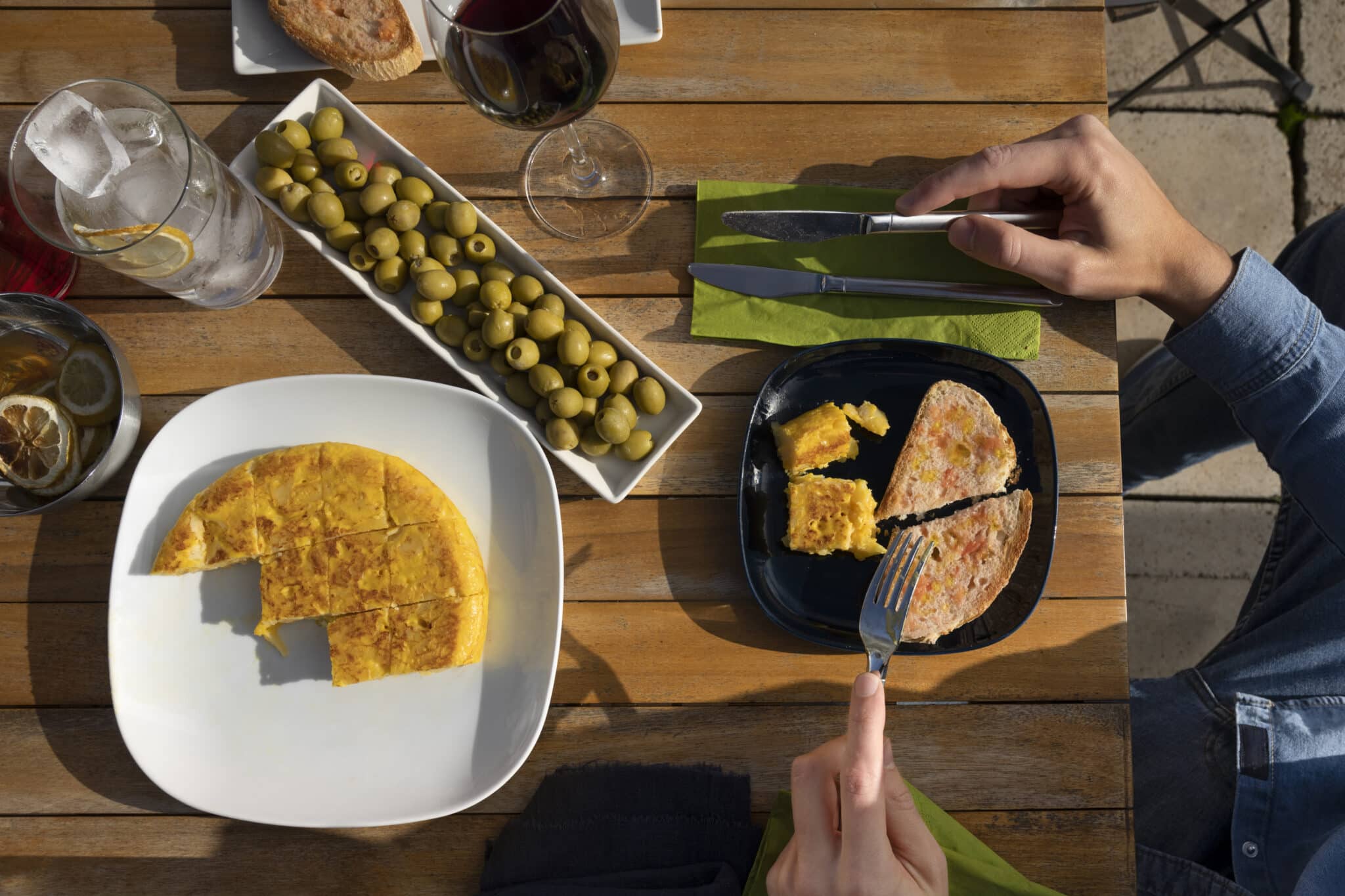
Spain is famous for many things, but perhaps the jewel in the crown is its unique cuisine. From exquisite seafood dishes to vibrant soups and paella, part of Spain’s charm is that the menu looks different depending on where you are in the country. From pinchos in the Basque country to paella in Valencia, each region boasts a unique culinary heritage. However, one thing remains constant throughout the country and that’s the use of quality olive oil for all kinds of cooking. Olive oil is at the heart of Spanish cuisine, and its cultivation is deeply rooted in local history and traditions. Today we’ll be taking a trip around Spain and exploring what each part of the country brings to the nation’s dining table.
Andalusia: The Home of Salmorejo and Gazpacho

Andalusia, in southern Spain, is perhaps the most important region of Spain for Extra Virgin Olive Oil production. Its sun-drenched hills and centuries-old groves yield intensely flavorful oils that define local classics like gazpacho and salmorejo. In Andalusian kitchens, olive oil is more than just an ingredient, it’s the cornerstone of the region’s cuisine, elevating simple combinations of vegetables, bread, meat, and seafood and transforming them into the dishes that define culture throughout the region.
The robust peppery notes of the extra virgin olive oil lend depth to grilled fish and meat, while our mild-flavored Classic Olive Oil’s higher smoke point means it’s ideal for frying traditional pescaíto frito (fried fish) and sautéed garlic dishes. Local chefs often pour a final drizzle over cooked dishes, enhancing aroma and texture, a technique also recommended when cooking meats to boost flavor and mouthfeel.
Olive Oil Traditions in Catalonia’s Coastal Cuisine

Catalan cuisine along Spain’s northeastern Mediterranean coast uses olive oil with nuance and balance. The region is famous for delicacies such as escalivada-style grilled vegetables, seafood stews, and cold dips like romesco sauce. Olive oil in Catalonia is often used raw, drizzled over grilled octopus or thinly sliced tomatoes seasoned with sea salt. In sauces like aioli, the right quality oil is critical; a mild-but-full-bodied olive oil creates a creamy consistency without overpowering the garlic’s sharpness.
Castile and León: Olive Oil Meets Hearty & Comforting Food

Central Spain’s Castile and León region is synonymous with rustic, hearty food, like roasted meats, bean stews with chorizo, and quality breads. Here, olive oil complements hearty ingredients by introducing light and fruity tasting notes. A warming cocido (meat and vegetable stew) or judías (beans) benefits from a finishing drizzle of extra virgin olive oil to round out its flavor depth.
Olive Oil in Basque Country Gastronomy
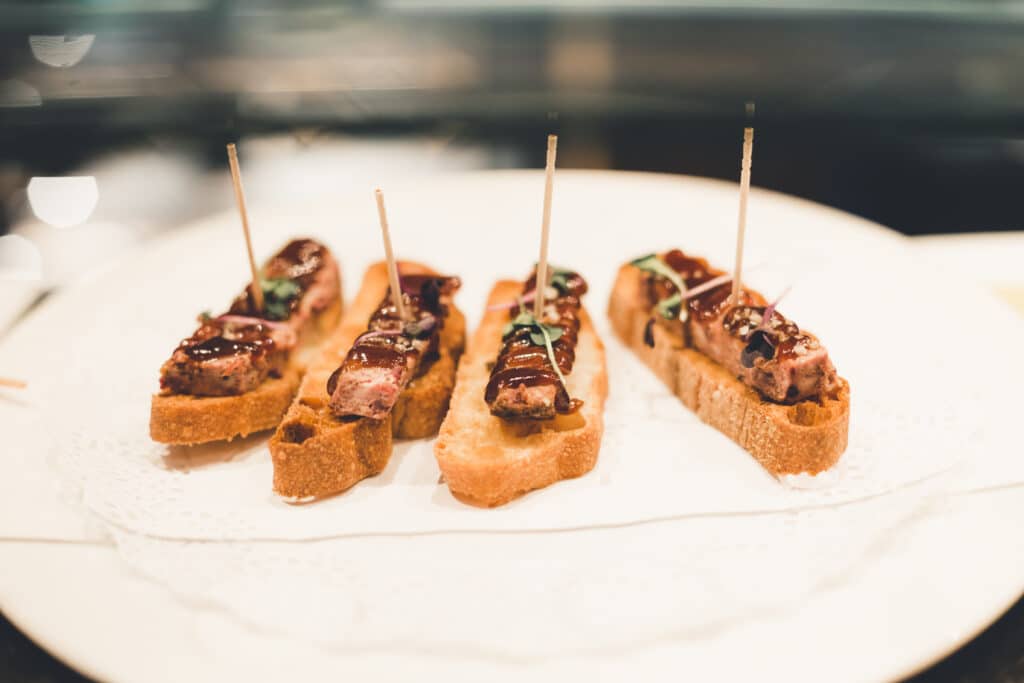
In Spain’s northern Basque Country, olive oil complements one of the most sophisticated regional cuisines in Europe. Basque chefs prize texture and purity, making olive oil a natural partner for seafood, peppers, and local cheeses. However, perhaps the dish the region is most famous for is pintxos. These small, artfully prepared bites are traditionally served on bread and often secured with a toothpick. Found in bars throughout cities like San Sebastián, they showcase high-quality local ingredients such as seafood preserves, cured meats, and peppers, turning casual snacking into a celebrated culinary tradition.
Olive Oil in Valencia’s Rice and Paella Traditions

Valencia is the birthplace of paella, a dish that can justifiably lay claim to being the nation’s most beloved meal. Authentic paella recipes utilize olive oil as the aromatic base for sofrito, the sautéed mixture of onions, tomatoes, and peppers that underpins every great rice dish. Here, olive oil’s role goes beyond flavor; it builds the very structure of the dish. Whether it’s paella Valenciana with rabbit and chicken, or seafood paella with clams, shrimps, and mussels, olive oil keeps rice from sticking and helps each grain absorb vibrant flavors.
Galicia’s Rustic Olive Oil Uses

Galicia, in northwest Spain, marries Atlantic flavors with olive oil’s Mediterranean heritage. Though rainier and greener than Spain’s south, Galician chefs embrace olive oil for sautéing greens, enriching hearty stews of octopus (pulpo a la gallega), and finishing baked empanadas. Olive oil is also used to garnish smoked ingredients like lacón (pork shoulder) with tender vegetables, adding a silky texture and subtle fruitiness.
FAQ: Olive Oil in Spanish Regional Cooking
Why is olive oil so central to Spanish cuisine?
Spain is the world’s largest producer of olive oil, and its agricultural and culinary traditions have evolved with olives and olive oil at their core. From cold use in salads and dips to high-heat frying, olive oil’s versatility defines Spanish cooking.
Can I use the same olive oil for all regional dishes?
Yes, but choosing the right intensity for a dish enhances flavor. Robust oils match bold meats and rich stews, while mild oils suit raw applications and delicate ingredients.
Does olive oil improve when cooking meat? → No será “Does olive oil improve the cooking of meats?”
High-quality extra virgin olive oil enhances meat flavor and texture, helping sear and brown surfaces while contributing complex flavor compounds, a technique celebrated across Spain and recommended by chefs everywhere.
Should olive oil be added before or after cooking?
Both! Use it for cooking (sautéing, frying), and add a drizzle after cooking to bolster aroma and freshness, especially on salads, soups, grilled foods, and rice dishes.
Olive Oil and Spain: An Enduring Culinary Legacy
That just about wraps up our guide to regional cuisine in Spain. As we’ve seen, olive oil literally touches every aspect of Spain’s proud culinary tradition, from north to south and everywhere in between. For more recipes, cooking tips, and insight into Spanish cuisine, visit our blog.